I didn't exactly “get into tech.” I stumbled into it at 12 and never really left.
My brother showed me HTML and CSS, and I immediately started building whatever I could in Brackets. A simple bullet-point list felt groundbreaking. A tiny to-do app with a bit of JavaScript? Even better. It felt like magic - and I wanted to understand how the magic worked.
That curiosity quickly turned into a habit. If I used something, I wanted to know how it was built. If I understood it, I wanted to improve it. I became especially interested in video games and started building small tools to help improve my skills. I didn't want to just play — I wanted to understand the systems behind what I was playing.
Show image
In 2016, when Discord bots started gaining traction, I jumped in. Watching friends interact with something I built — even simple commands like /8ball or /randomnumber — was incredibly satisfying. It was the first time I shipped something people actually used, and it showed me how powerful even small pieces of software can be in the right context.
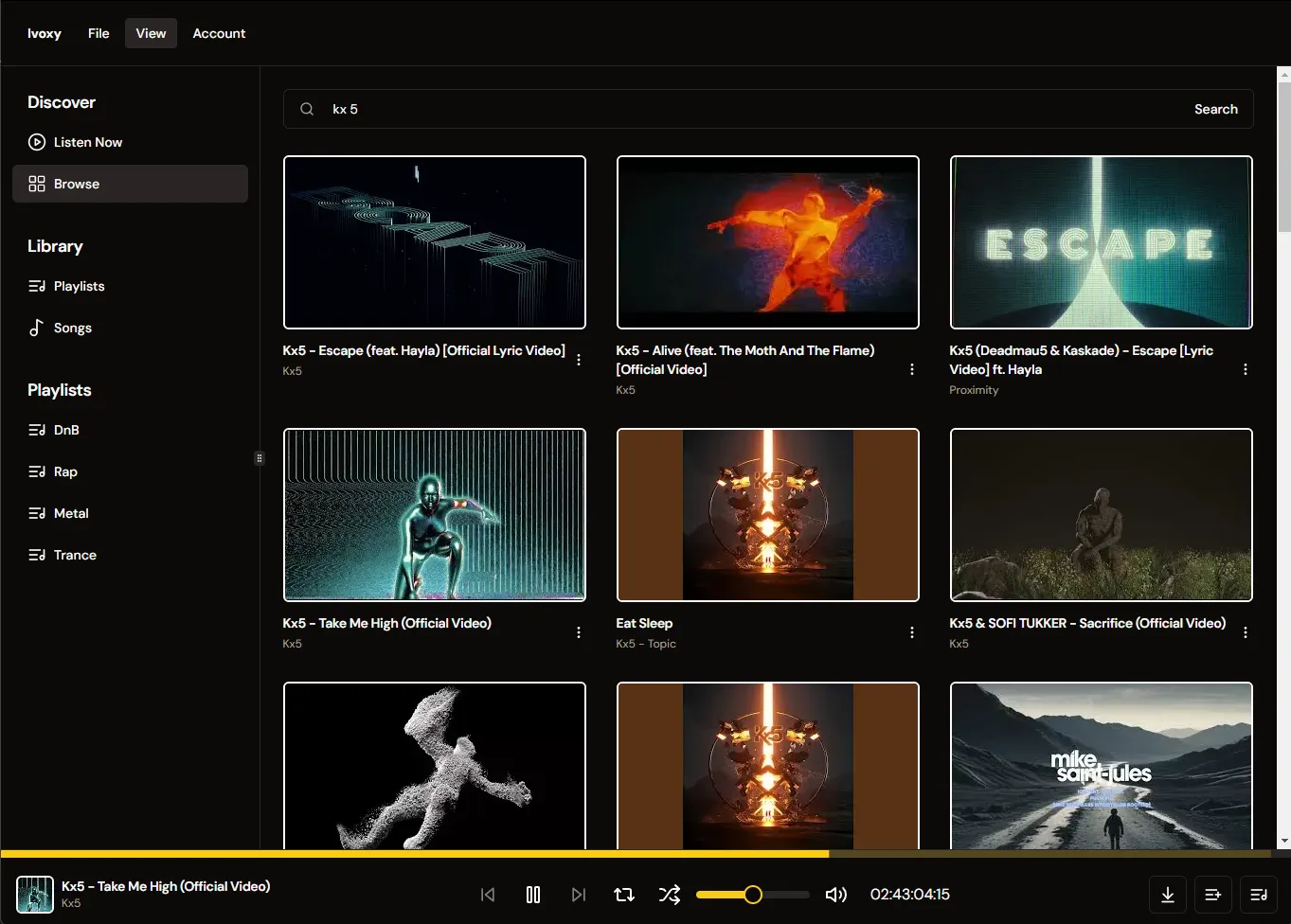
From there, I got serious about frameworks and structure. I started with Angular, rebuilding earlier projects to better understand architecture and scalability. Not long after, React caught my attention and has stayed with me ever since. Around the same time, music bots were everywhere, streaming YouTube into Discord voice channels. Naturally, I built my own. That project evolved into Ivoxy, built with Next.js during its hype — my first deeper dive into full-stack React in a production-style environment.
Show image
Outside of web development, I’ve always enjoyed understanding systems at every level. I learned how to optimize PCs in the BIOS — overclocking, undervolting, assembling builds, and helping others choose components and peripherals. Whether it’s hardware or software, I like knowing what’s happening under the hood.
Over the past two years, I worked on a life-guidance platform for a client. Built with Next.js and implemented VoIP from scratch using Asterisk. Including a real-time chat, voice communication over WebRTC, and an admin dashboard with extensive configuration across the platform. It was a challenging project that pushed me to think beyond features and into reliability, performance, and long-term maintainability.
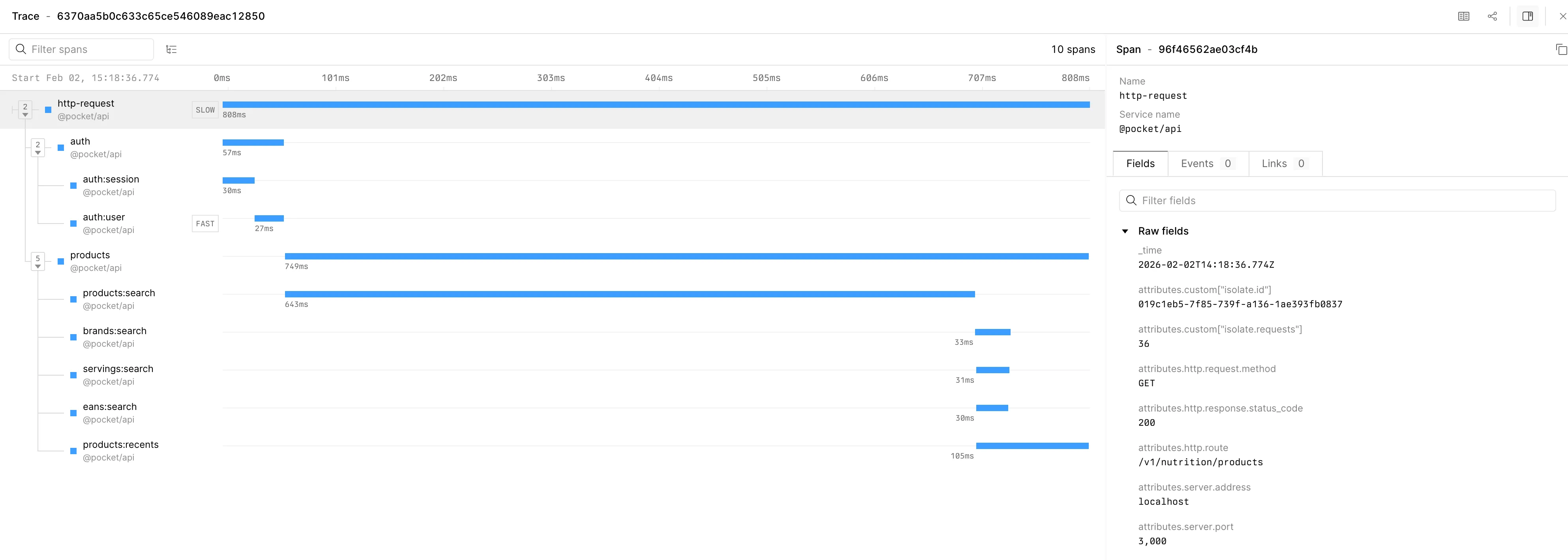
After that project concluded, I am now contributing to a startup called Pocket that a friend started. There, I developed our internal tracing middleware for Hono, exporting traces and custom spans to observability platforms like Axiom and Sentry so we could properly monitor production systems which is now published on npm. I also built a pagination hook within the frontend application that syncs cursor-based pagination to the URL, preserves scroll position, and restores list state on refresh or shared links — small details that make applications feel intentional and solid.
Show image
On the side, I currently build a browser extension for automatically skipping AI-generated content on YouTube Music, with the possibility of adding community filters similar to extensions like uBlock Origin.
I also enjoy cooking, which led me to create an Obsidian plugin for managing smart shopping lists. It tracks ingredient prices across different stores, logs purchasing patterns, and generates shopping list templates based on pinned and frequently used ingredients.
Looking back, the pattern has been consistent: curiosity turns into projects, and projects turn into real systems used by real people. I still learn by building. The difference now is experience, stronger fundamentals, and a deeper understanding of what makes software not just functional, but dependable.